The New Forest is a beautiful area in the south of England, stretching over 70,000 acres. Labelled a ‘Site of Specific Scientific Interest’, it’s a protected area of heathland and forest with diverse and rare wildlife. Locals and tourists alike flock to this beautiful region every year there isn’t a global pandemic, drawn by the natural beauty and charming villages within. One of the most iconic and intriguing features of the New Forest is the company you’ll find in the forests, on the roads and even in the gardens of most pubs. While most other forests in England will have free roaming squirrels and maybe the occasional fox, the New Forest has horses running free.
These ponies are allowed to graze and gallop wherever they wish, and are not the only domesticated animal thats wanders through these woods. Donkeys, cows and even the occasional herd of pigs can be spotted at different times of the year. In a world where many believe wild horses to be a thing of the past, watching a herd wend its way across the plains is a wondrous sight. It is however a little confusing to see all these farmyard creatures roaming free, so I did a little research into how and why they’re there.

The tradition goes back far further than I ever thought. The story of the New Forest begins with William the Conquerer, who won the Battle of Hastings in 1066. Interestingly, this is the point in history where modern English history lessons begin, which should give some reference as to how long ago this event took place. The newly crowned King William proclaimed the New Forest to be a Royal Forest. In simple terms, that meant that he wanted to be able to hunt on it and didn’t want anyone living there. The local farmers were naturally a little annoyed by this statement, and claimed that he was taking away the land they used for grazing their herds. As a compromise, the King proclaimed that the farmers could continue using the land for grazing as they had always done. This is known as ‘commoning’, and allows the history and heritage of an area to live on.
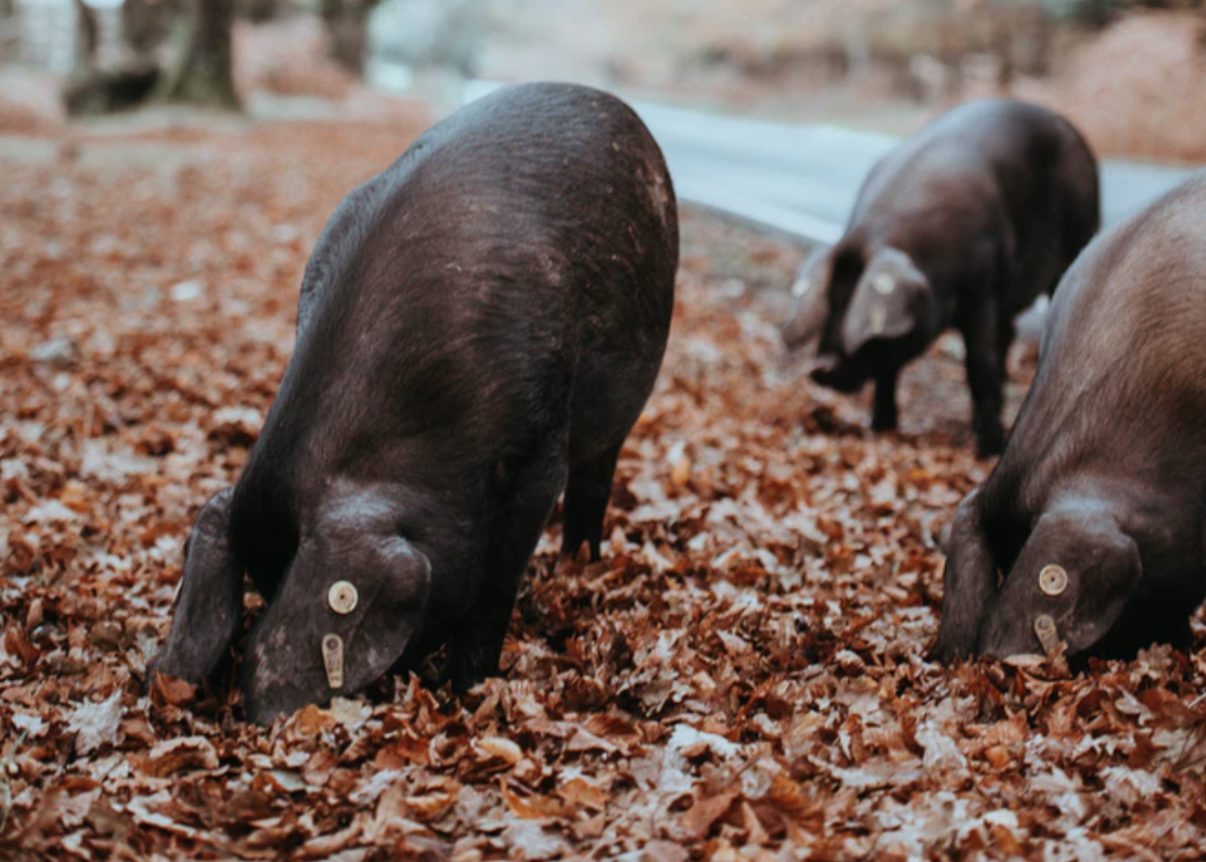
It has been a long time since this method of farming and rearing livestock has been profitable due to the increased productivity of newer farms, but the tradition lives on. The entire forest has evolved its own ecosystem that relies on its hoofed inhabitants to thrive. Ponies, cows and donkeys keep the grass short, giving other plants more space and resources than they would ever get normally. Pigs are sent in to snuffle up all of the acorns, poisonous to horses but a delicacy for a hungry pig. None of the domestic wildlife is truly wild, and are routinely rounded up for counting and health checks, but they are allowed to roam mostly without limit. The area is criss crossed with fences and cattle grids to keep the creatures from wandering too far, and each is carefully marked to show who their owner is.
A walk in the New Forest is a beautiful thing, as you can see the ecosystem flourishing before your eyes. Everything is kept in a perfect balance, carefully managed by ecological experts in a way that lets nature be as free as it can be. Horses gallop under mighty oaks and through gurgling brooks in scenes that can make you forget about humanity’s existence entirely. If you’re ever in the area, I cannot recommend a visit enough. Just make sure to bring your wellies, or be ready for a long walk in wet socks.